Saturday, May 21, 2016

Perspectives in London

A view from above, the present, the past, and the platform:
  • Borough Market 
  • London Eye
  • Tower of London
  • Theater Performance of The Railway Children 
 Our first stop of the day was Borough Market. The market celebrated it's 1000th birthday in 2014 making it one of the oldest and largest markets in London. Vendors come to the market to sell produce, flowers, pastries, and meats.


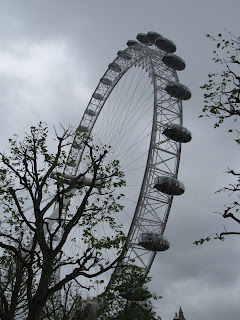
 Next, we traveled to the London Eye which is a large ferris wheel located on the South Bank of the River Thames. It is Europe's highest ferris wheel and the highest public viewing point in London. The wheel moves so slowly that passengers can actually get on and off the ride while it is in motion. It stands a 135 meters tall.
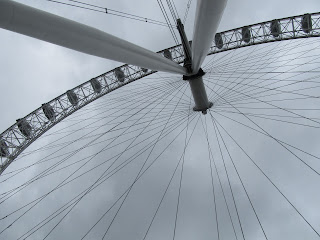
The London Eye 

 The Eye from the pier


One of the Eye's capsules


HUM 1915


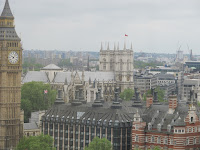
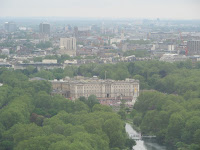
Westminster Abbey, Buckingham, and Parliament from the Eye

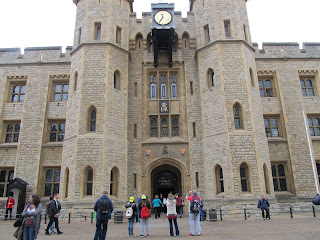
 After we spent a large portion of the day exploring the London Tower. William the Conqueror started construction of the Tower of London in the early 1080s. Throughout history the Tower has had many different uses, during the Tudor reign one of it's functions was a prison. During the historic rivalry between Catholics and Protestants Catholic leaders such as Mary I had key leaders of the Protestant movement imprisoned in the Tower. In the 19th Century the Tower was then geared toward being made into a fortress and created the Waterloo Baracks. During the World Wars many spies were held and executed at the Tower. The site was a target for bombings during this time so the Crown Jewels that were usually (and still are today) were temporarily moved to a location that was a lesser target.
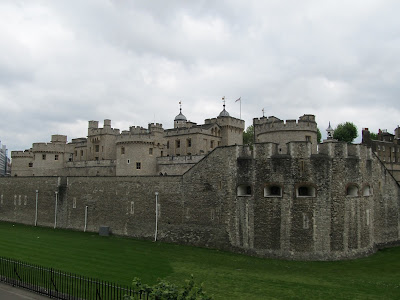
Tower of London from outside the fortress walls

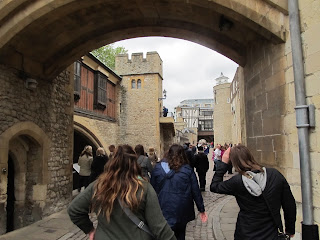
Sadie, Hannah, and Katelyn walking into the medieval part of the Tower

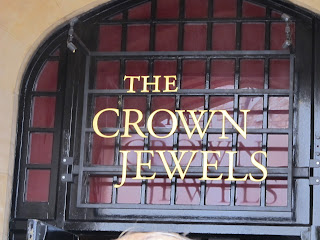
The building that houses the Crown Jewels


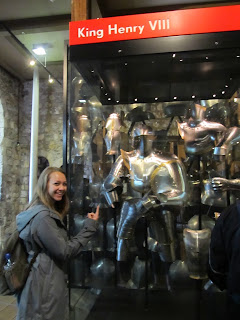
Emily W poses with armor from Henry VII's time

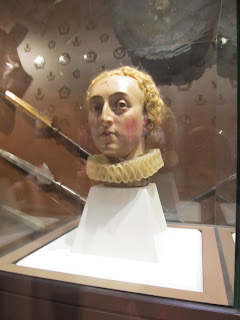
A wooden carving of Elizabeth I's head

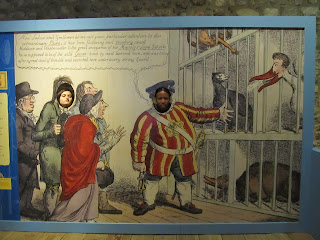
Allie and Kaurin pose in the face cut outs regarding crime and humiliation in the Tower


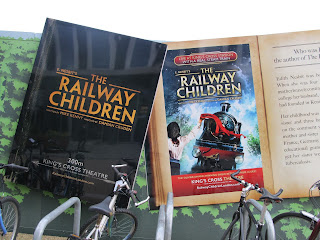
In the evening, the class attended a performance of The Railway Children at King's Cross Theatre. This theater used to be a functioning train platform, but we reconstructed into an arena style theater with a track running through the stage so that they could be a real steam engine onto the stage. The show had spectacular special effects, sets, and costumes, as well as showing us the charming life of a British family after the Boer War.

The entrance to the theater

The group poses in a train formation in front of the poster

The "larger than life" book posters


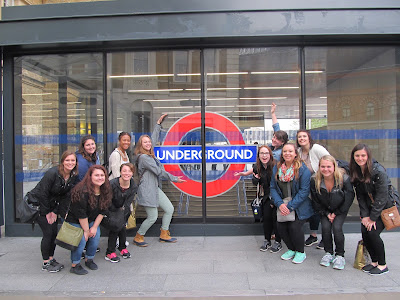
Getting on the Tube after a long day of sightseeing

~~~~~~~~~~~~~~~~~~~~~~~~~~~~~~~~~~~~~~~~~~


Friday, May 20, 2016

Stairs, Savings, and the Shrew

20 May 2016
  • St. Paul's Cathedral 
  • Bank of England Museum 
  • The Monument 
  • Leadenhall Market 
  • Tower Bridge 
  • The Queen's Walk
  • Shakespeare's Globe Theater
  • Tate Modern Art Museum 
  • Millennium Bridge 

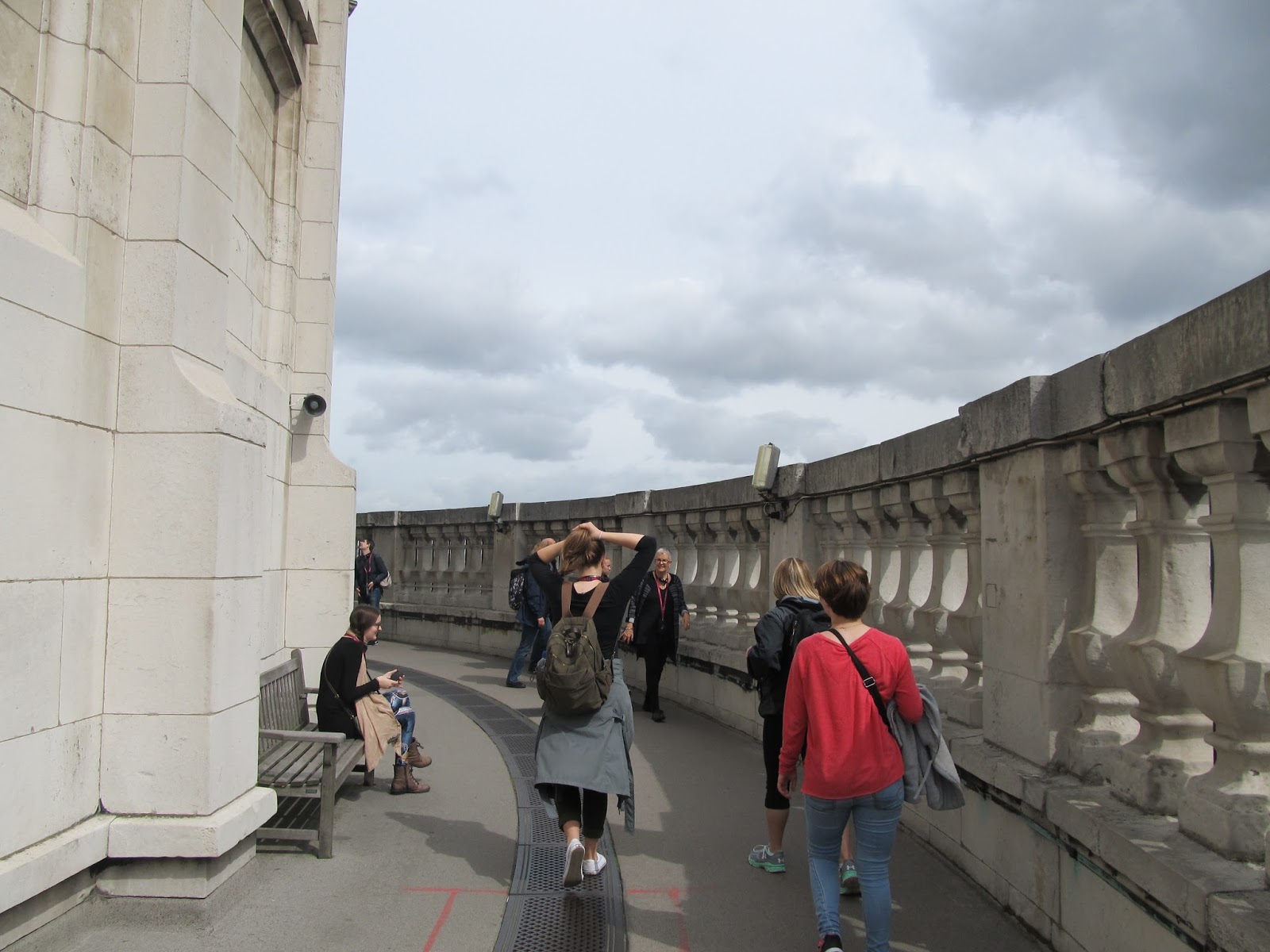
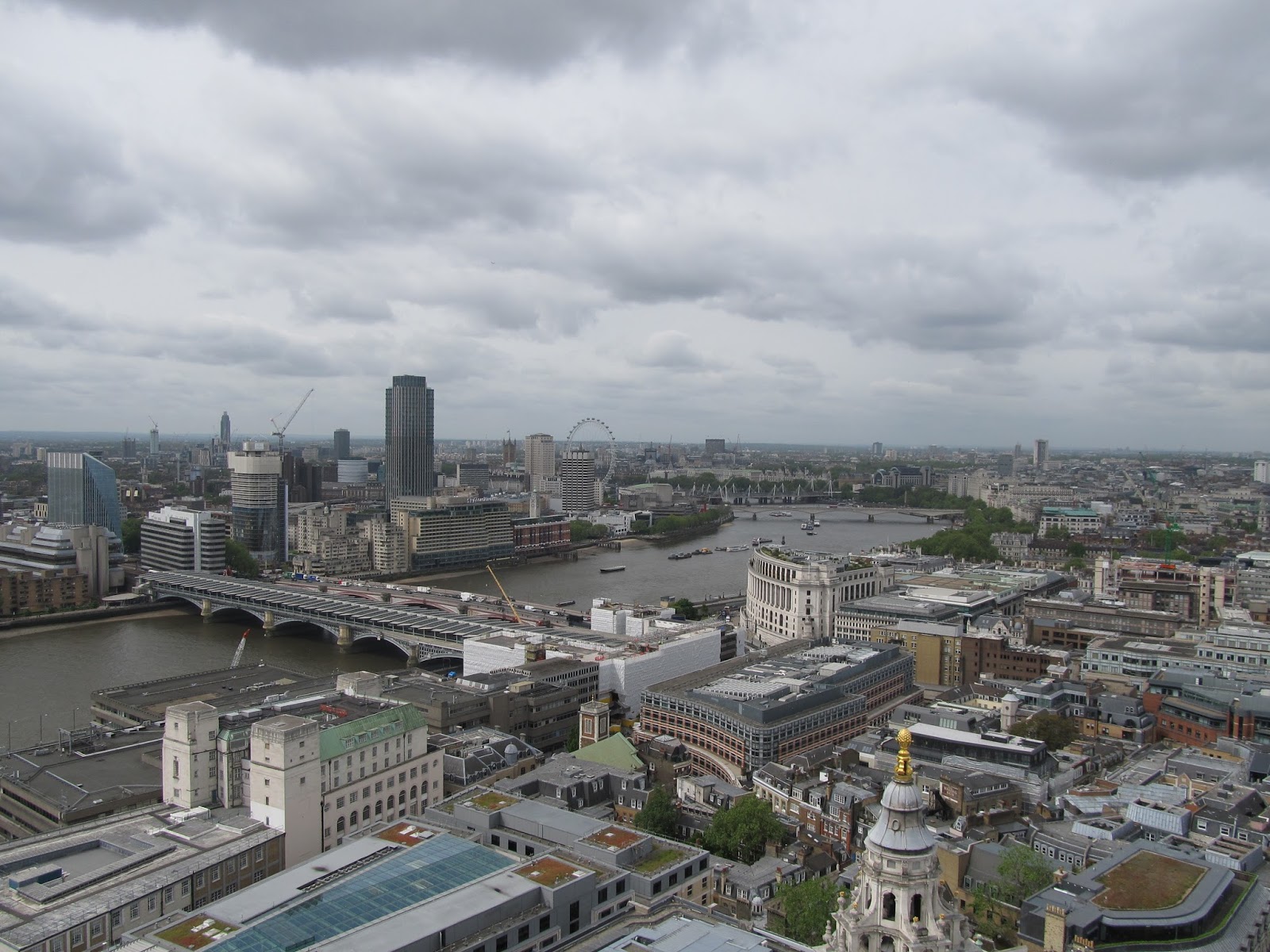
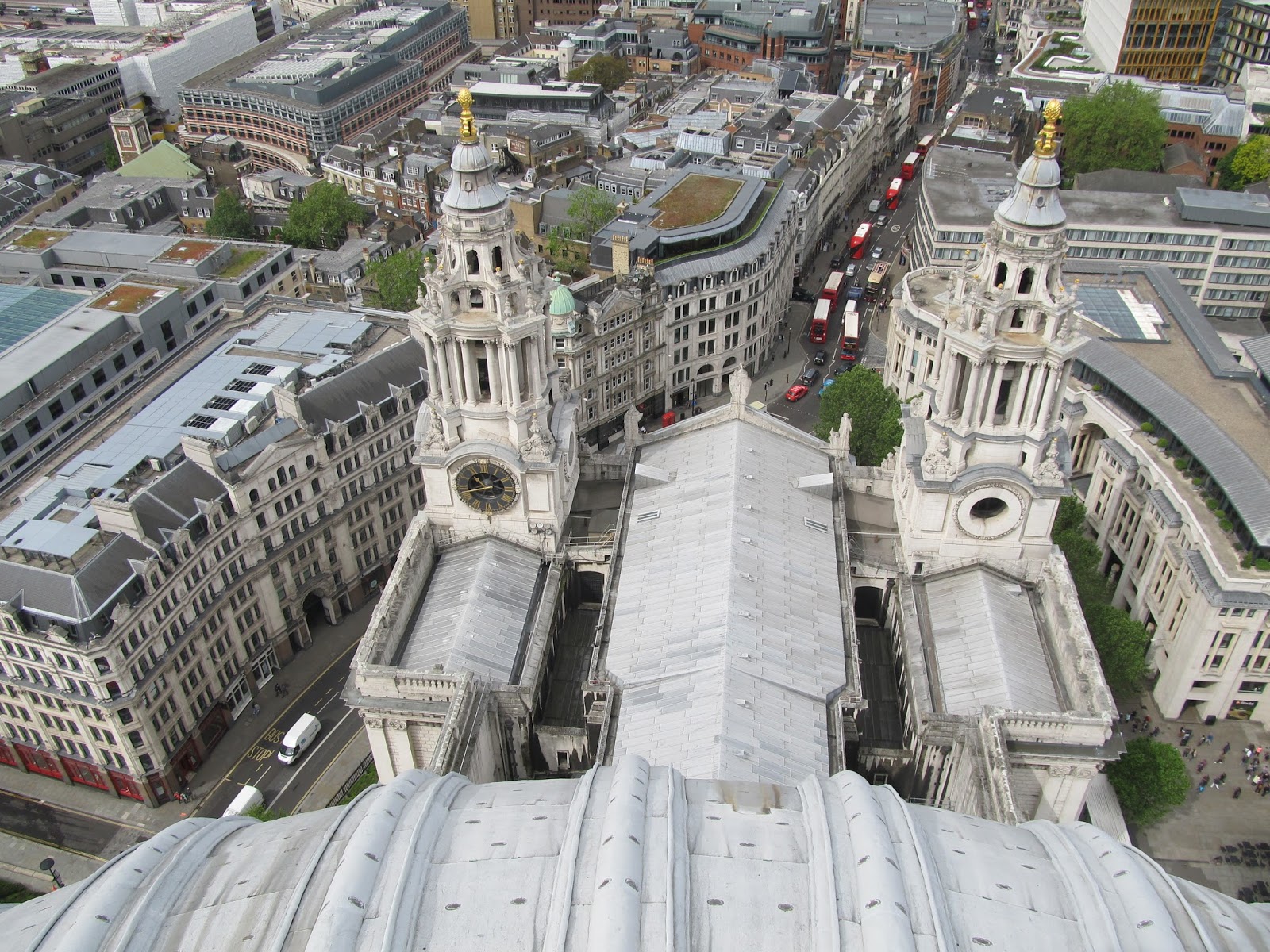
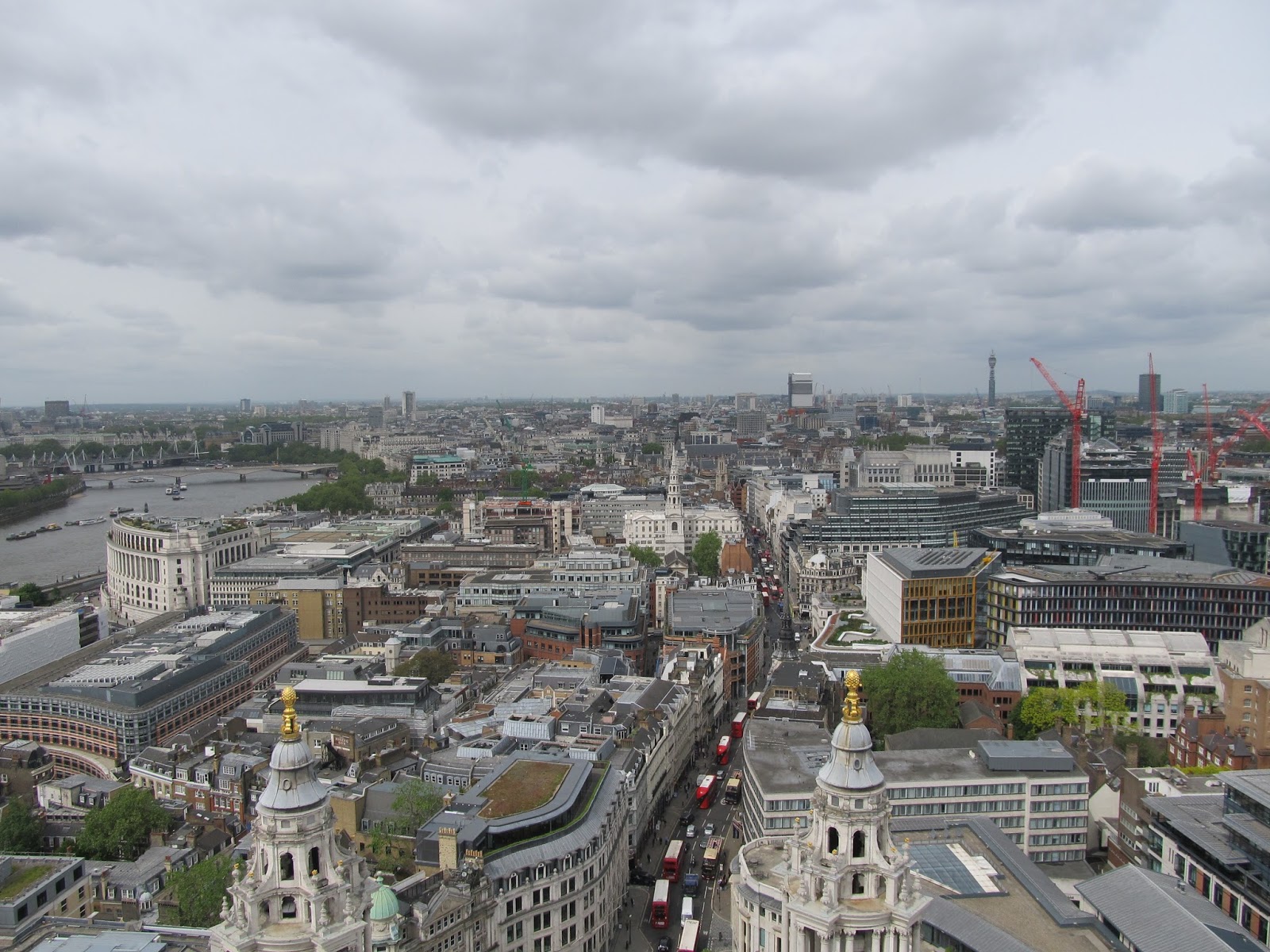
 The first stop of HUM 1915's whirlwind day was St. Paul's Cathedral. I use the term stop loosely as many of us made the climb up a total of 533 steps to the highest public point on the dome to enjoy the view of the city and look down on the cathedral.

Emily W, Amelia, and Brittany at the first observatory level of St Paul's


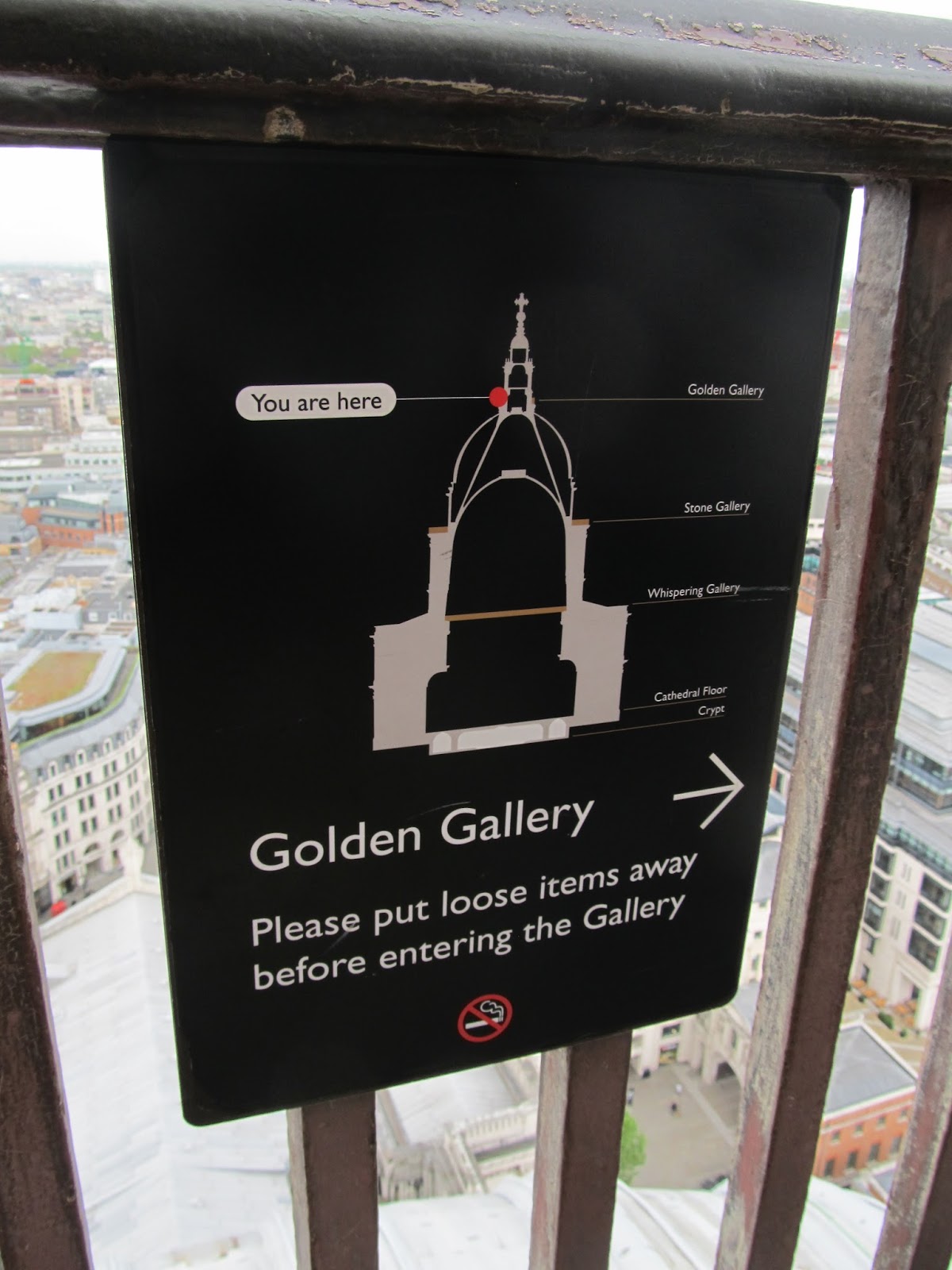
The views from the top and a diagram of where we stood at the highest viewing gallery

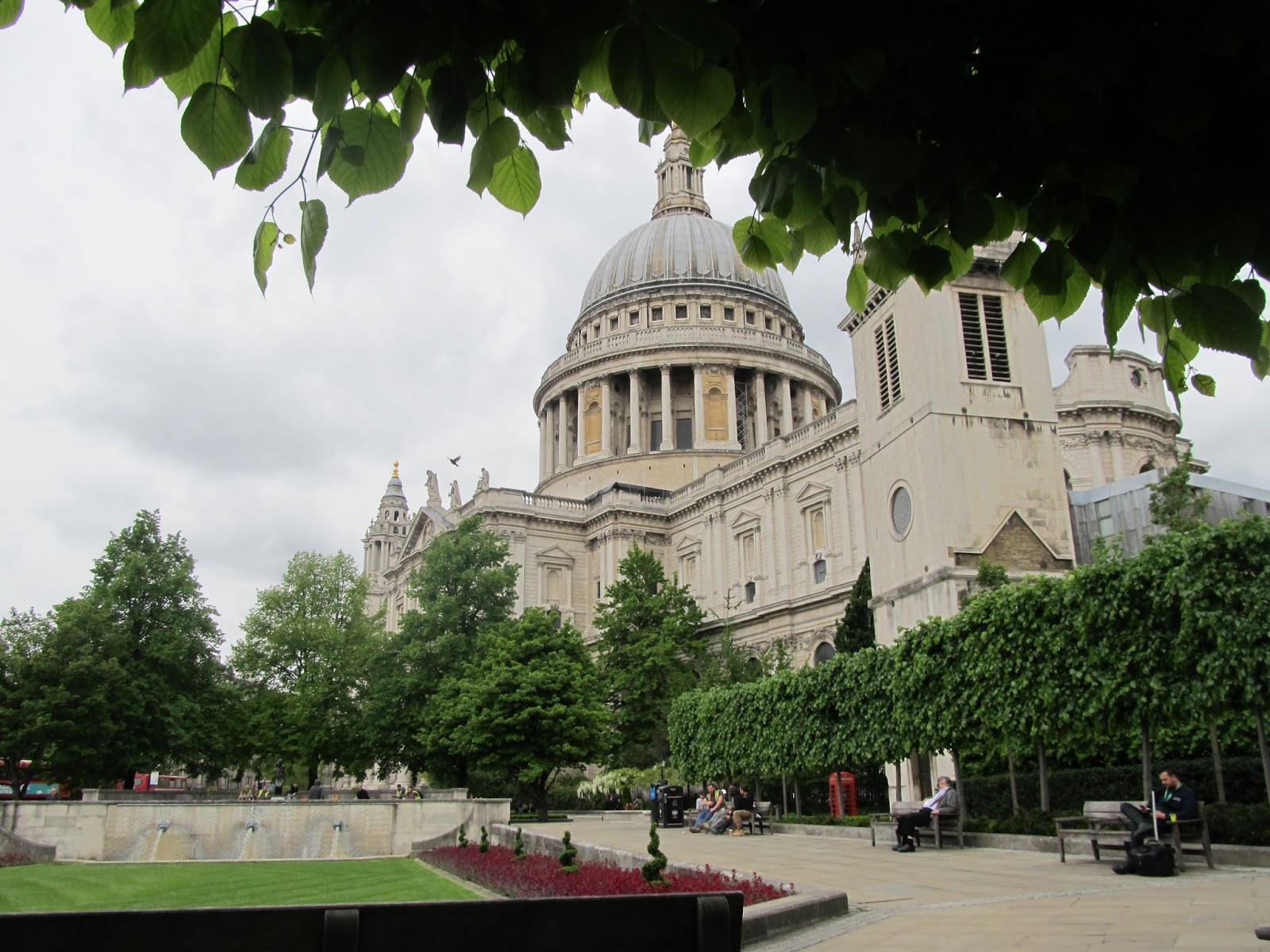
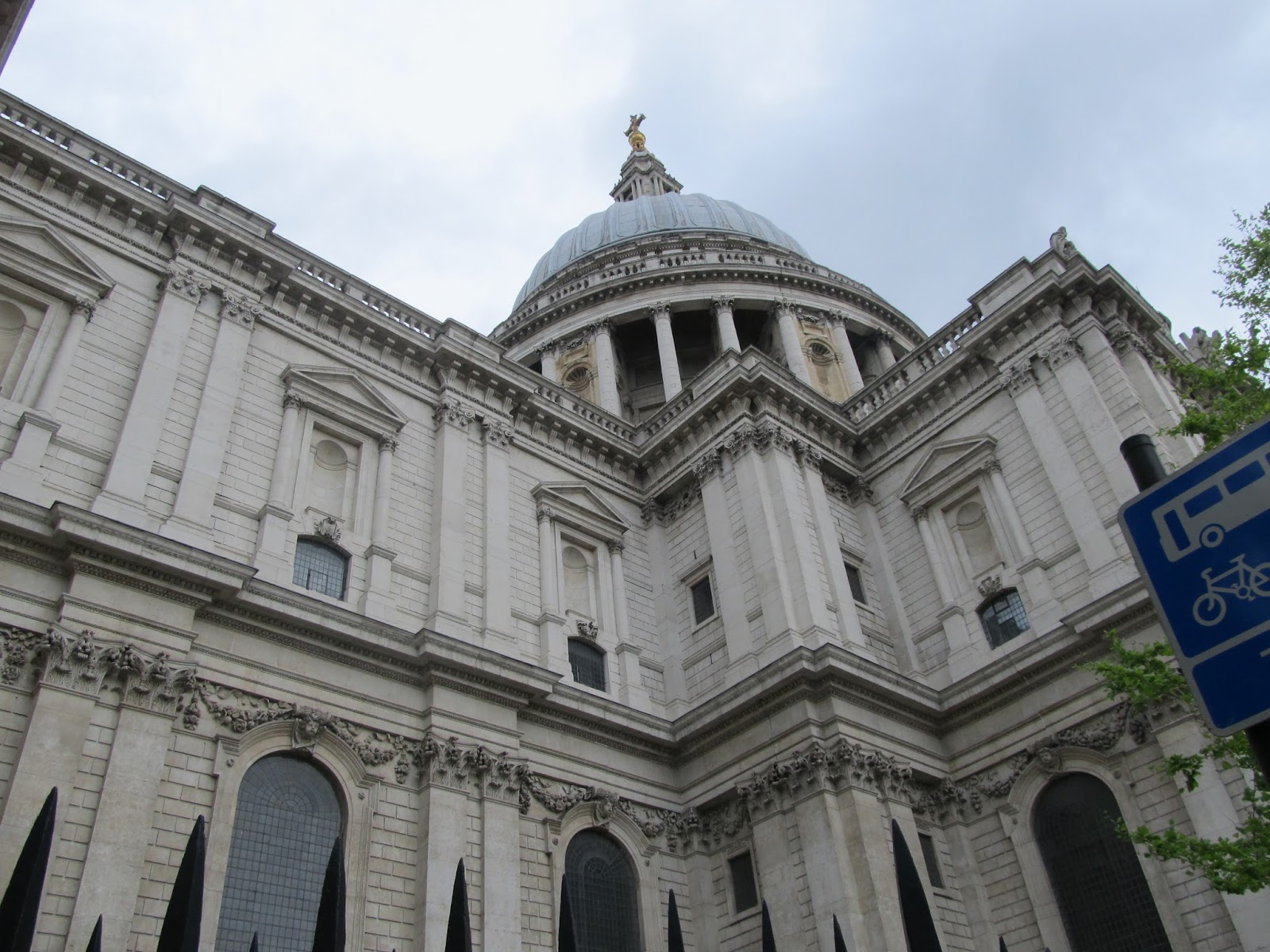
Four structures have previously resided in place of the present Cathedral that was built by Sir Christopher Wren after the previous one was destroyed in The Great Fire of London. It began holding services in 1697 and was the first Cathedral to be built after the 16th century Reformation when Henry VIII gave the monarchy the position of head of the Church of England. Many people are honored in the Cathedral by various monuments. Some of these people include, prison reformer John Howard, Admiral Horatio Nelson, and Arthur Wellesley Duke of Wellington.

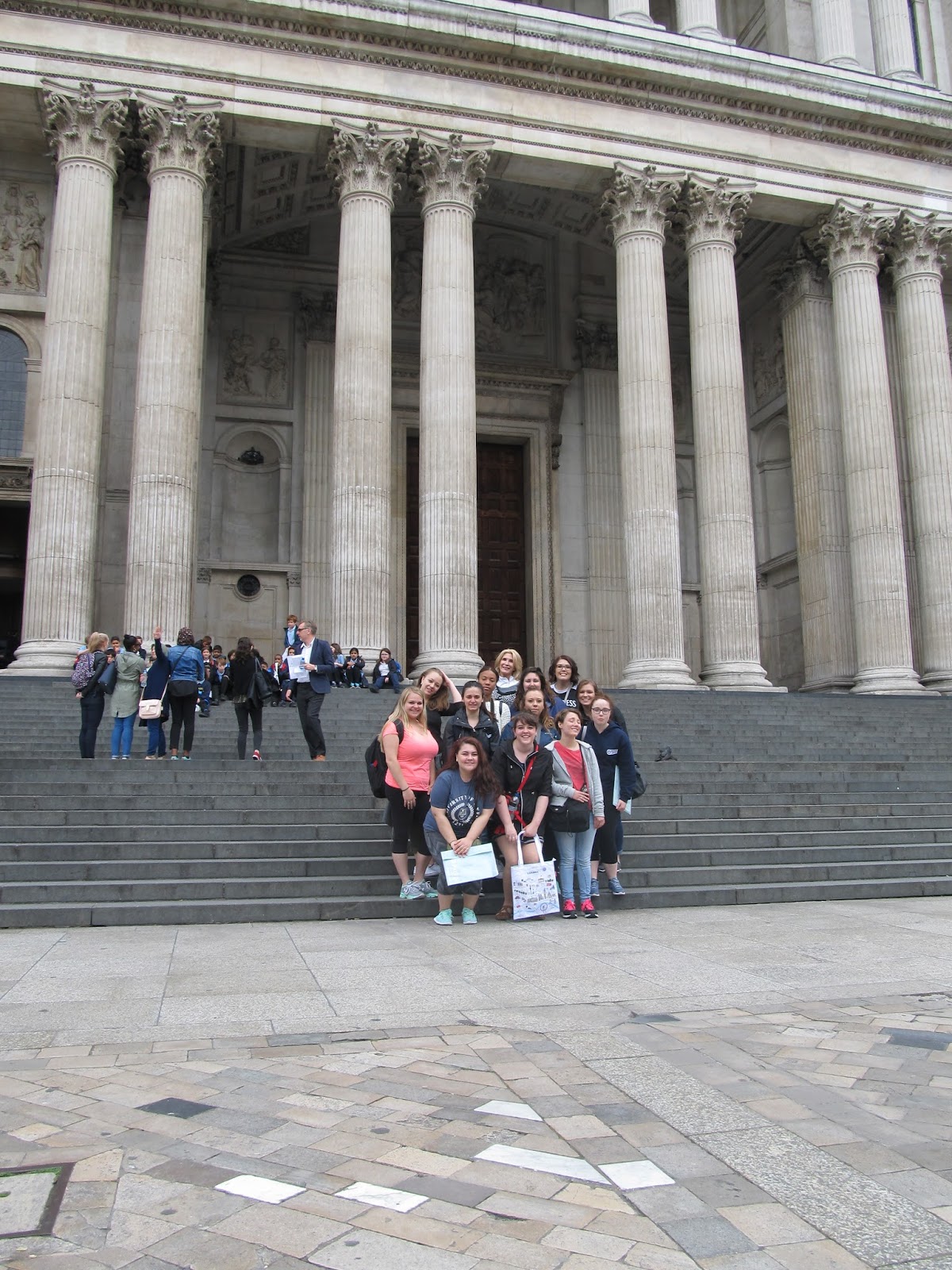
No pictures could be taken inside of the cathedral, so here are some pictures of the exterior.


The group poses in front of St. Paul's

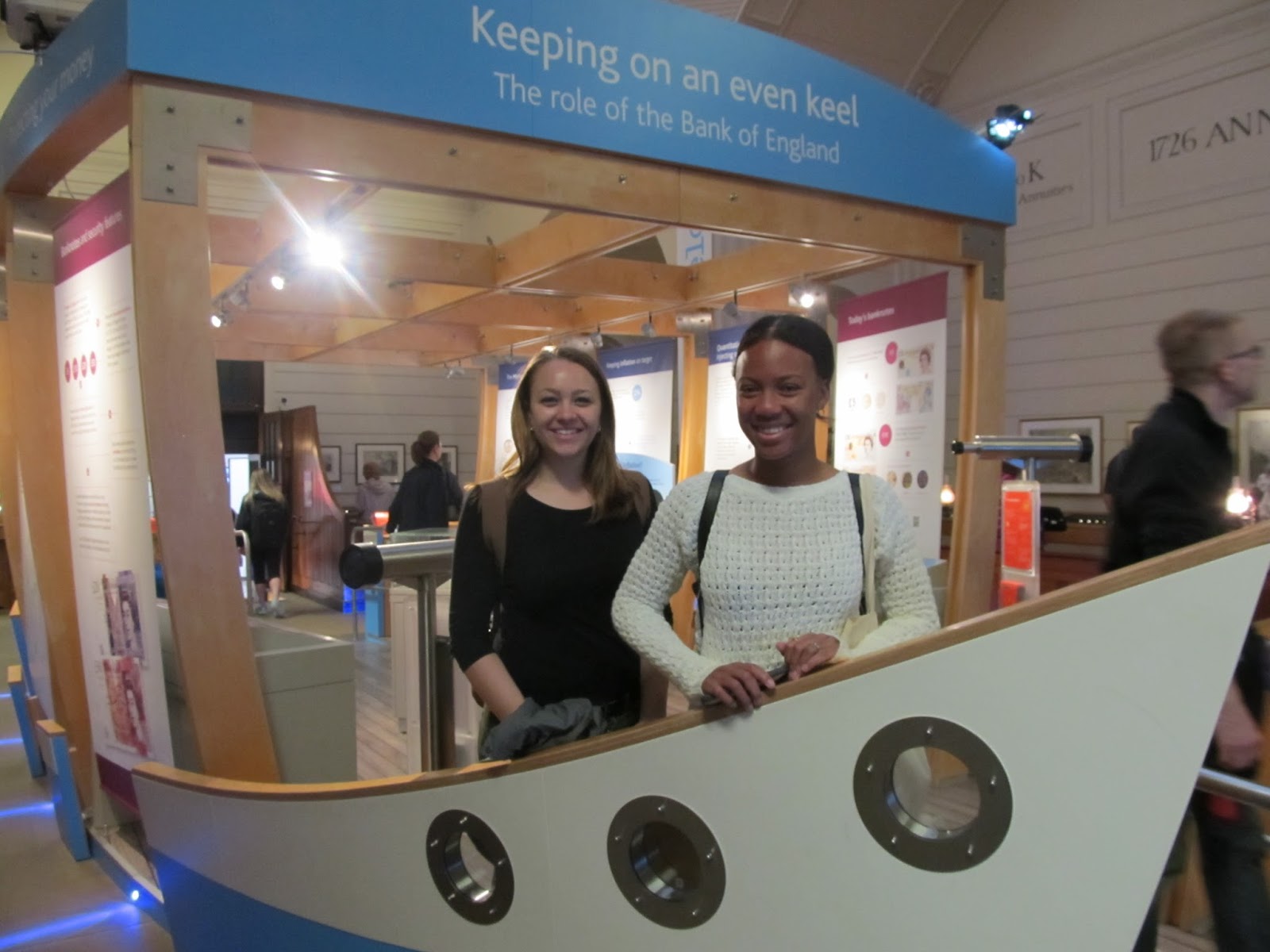
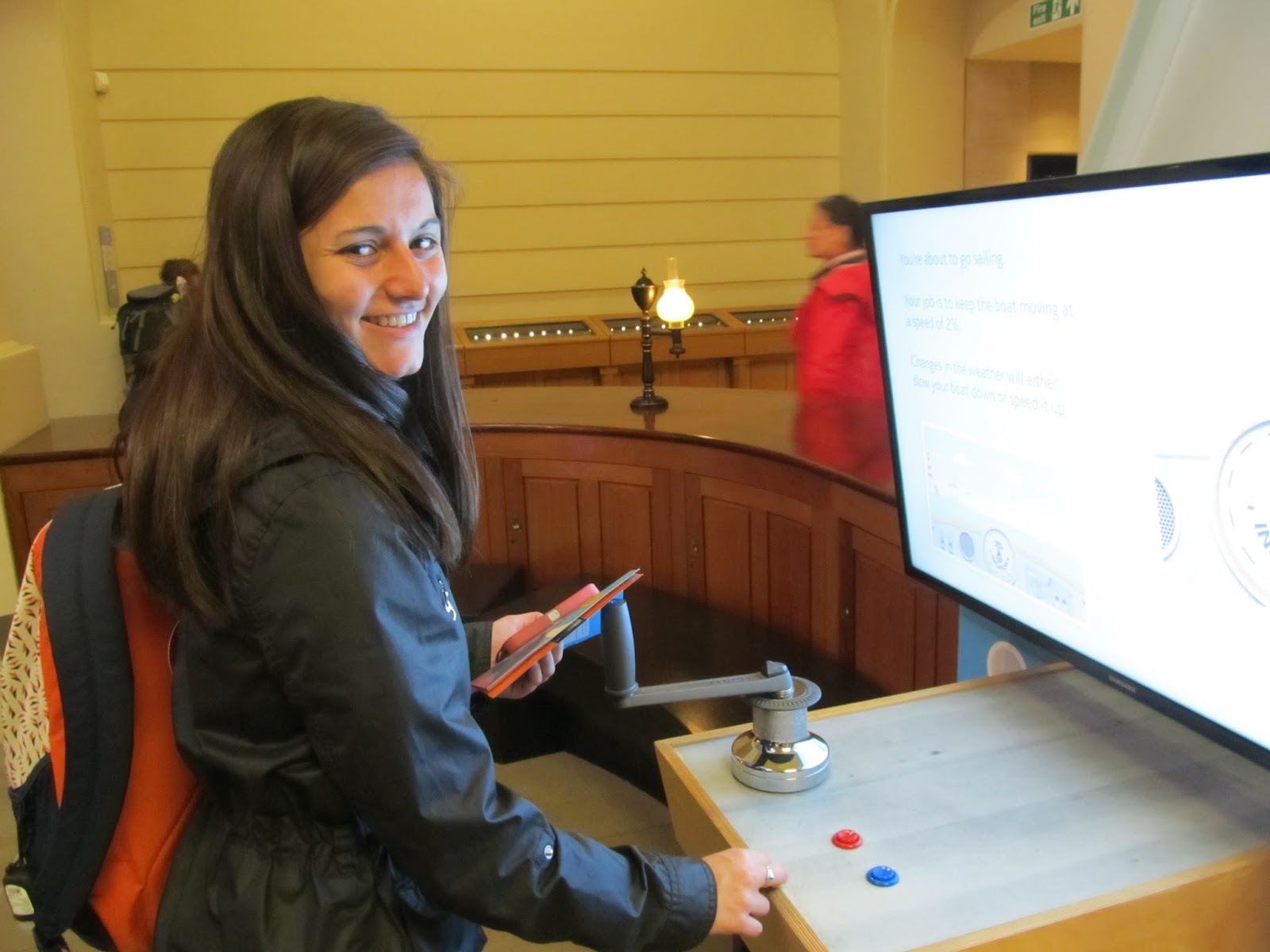
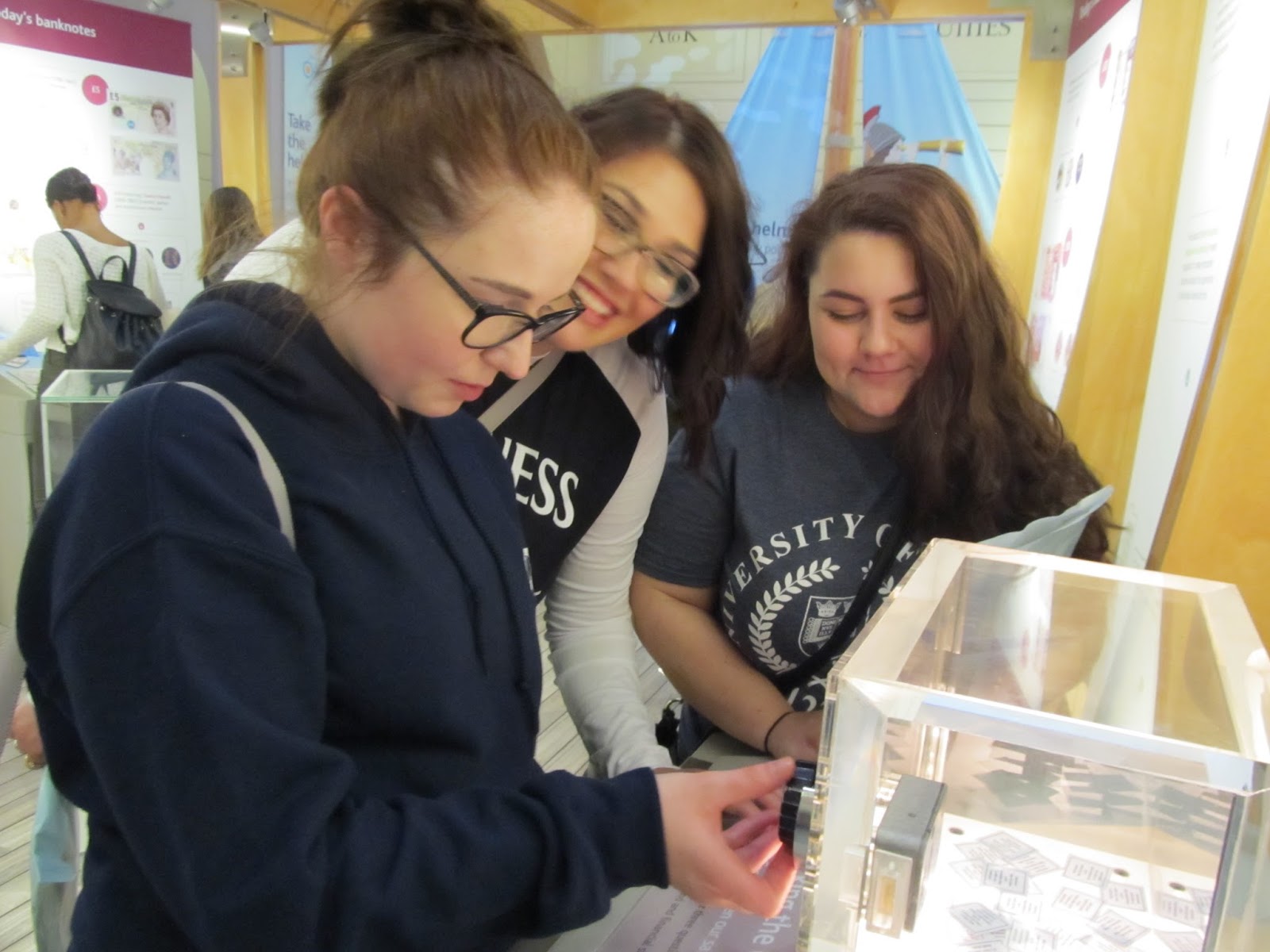
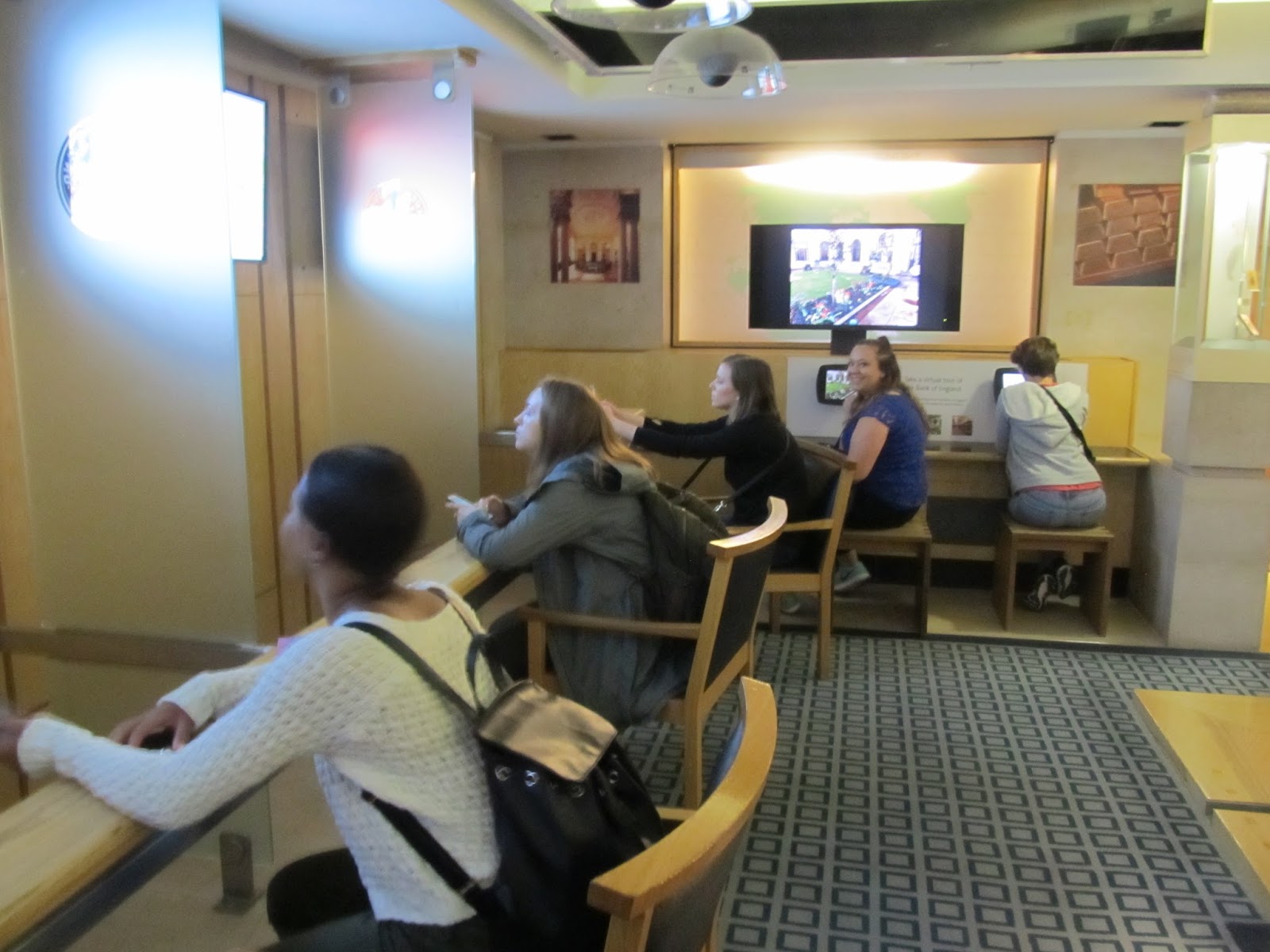
 Our next stop was the Bank of England Museum. This was a very interesting endeavor for our class, luckily our accounting and business majors were helpful in understanding the complex concepts that surround finances.

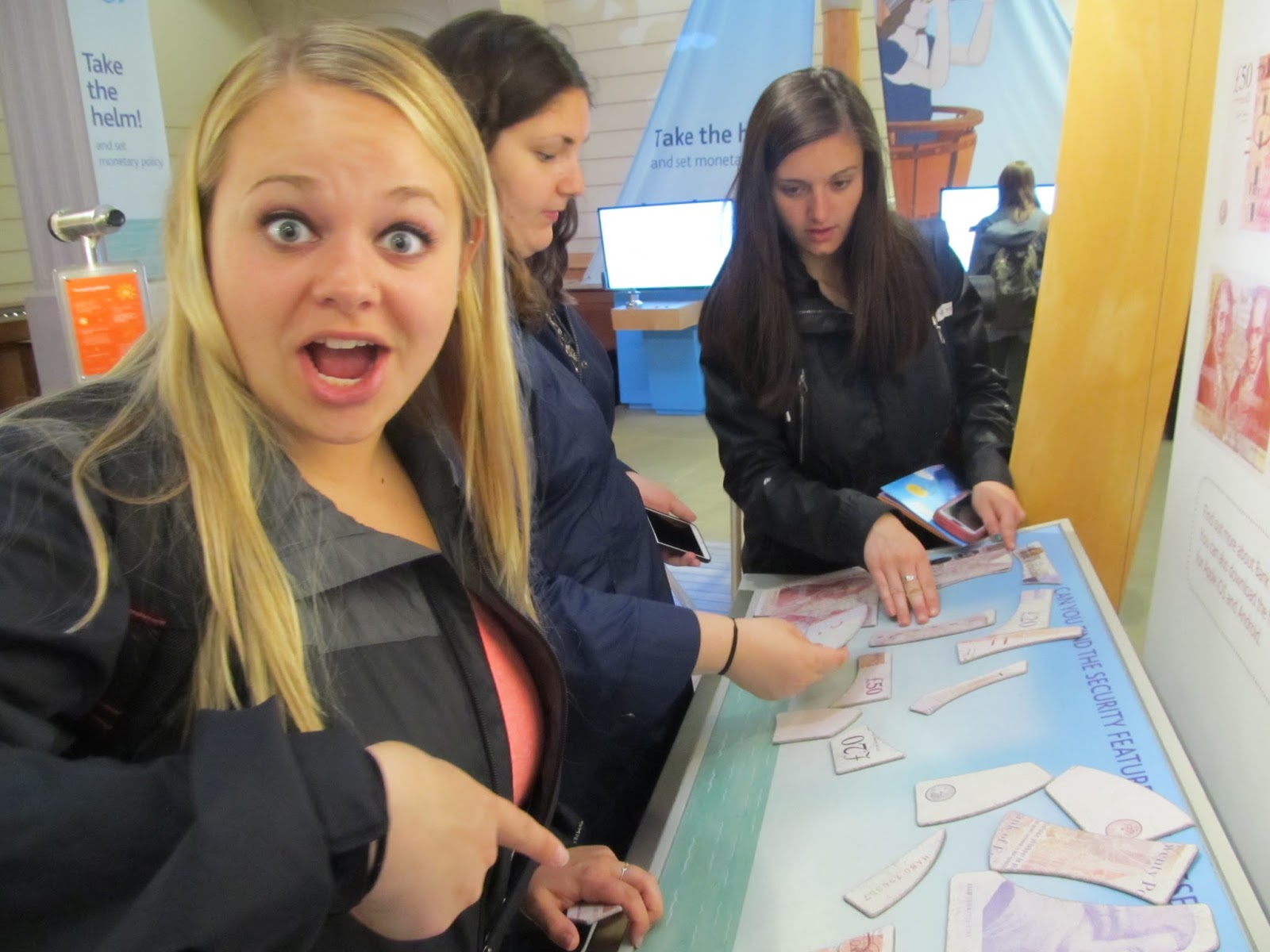
Emily W and Kaurin

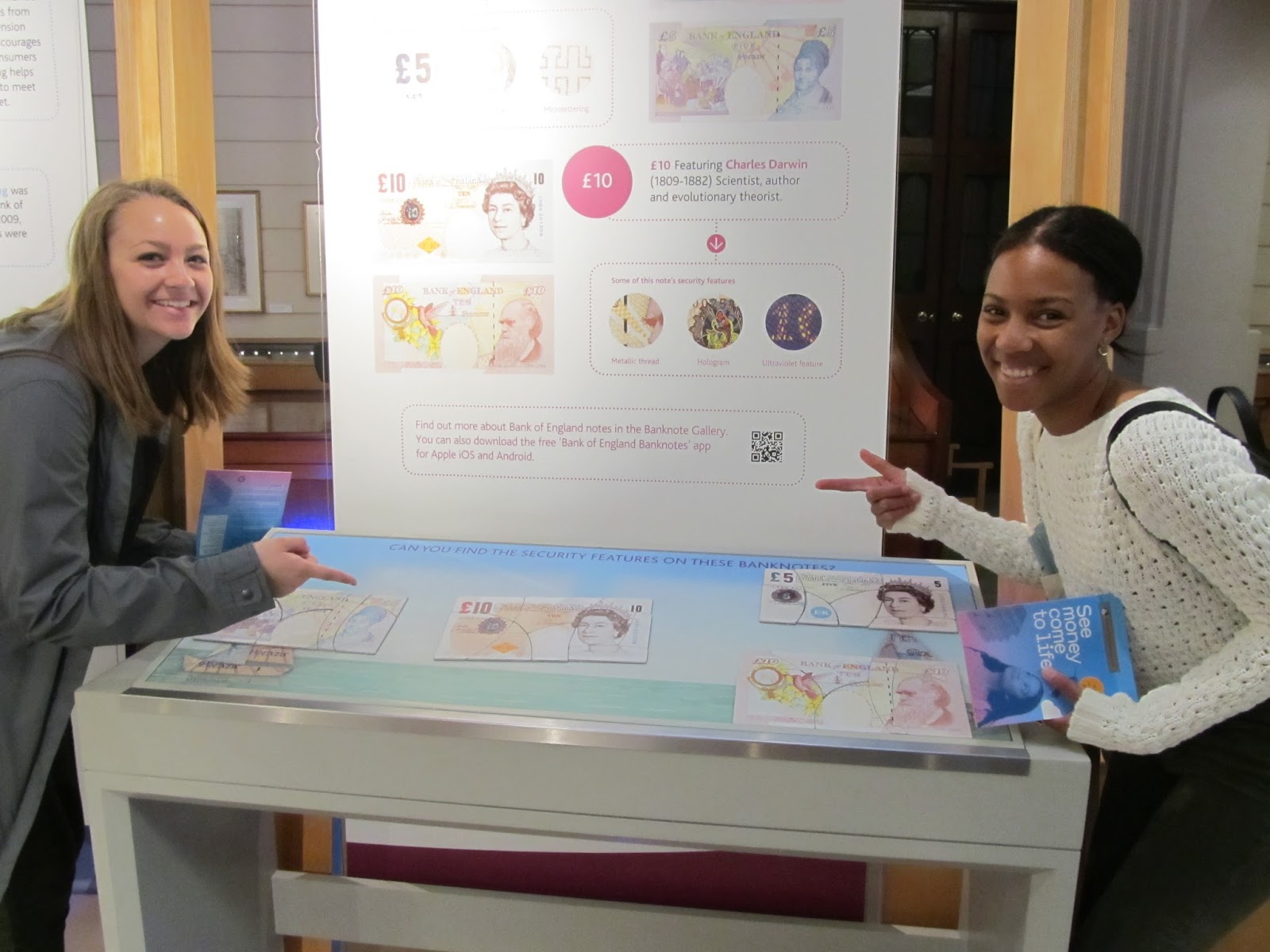
Emily W and Kaurin put together puzzles of bank notes

The bank was founded in 1694 and aims to promote good in the United Kingdom by providing the area with financial stability. Stability is achieved by keeping inflation steady and low. The bank was founded on a Royal Charter and was firmly established as a government bank. Bank notes have been used since it's opening in 1694 but are now a much more elaborate concept including colors and calligraphic designs. Queen Elizabeth II was the first monarch to appear on the bank note in 1960.


The class enjoys the activities part of the museum

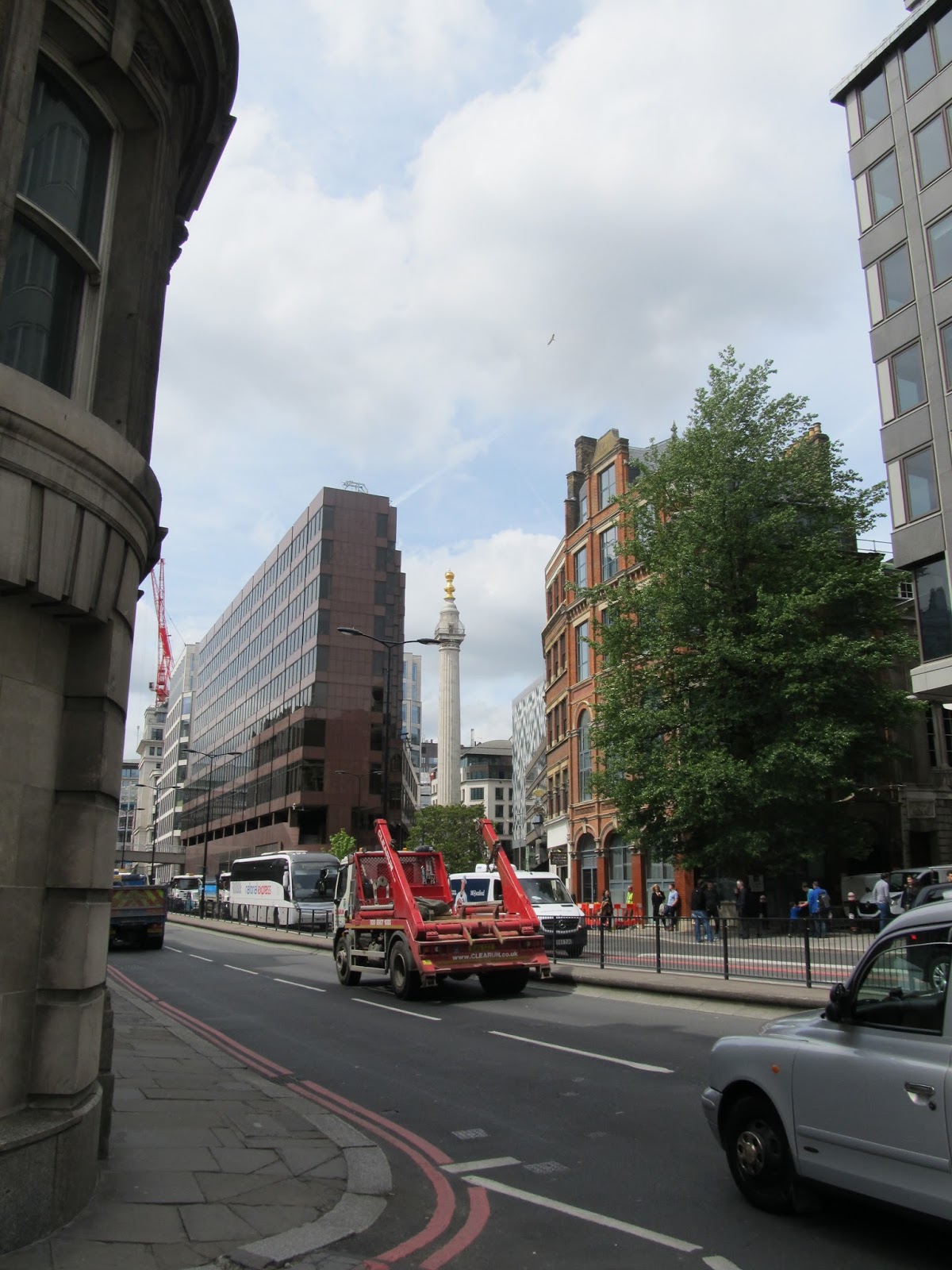
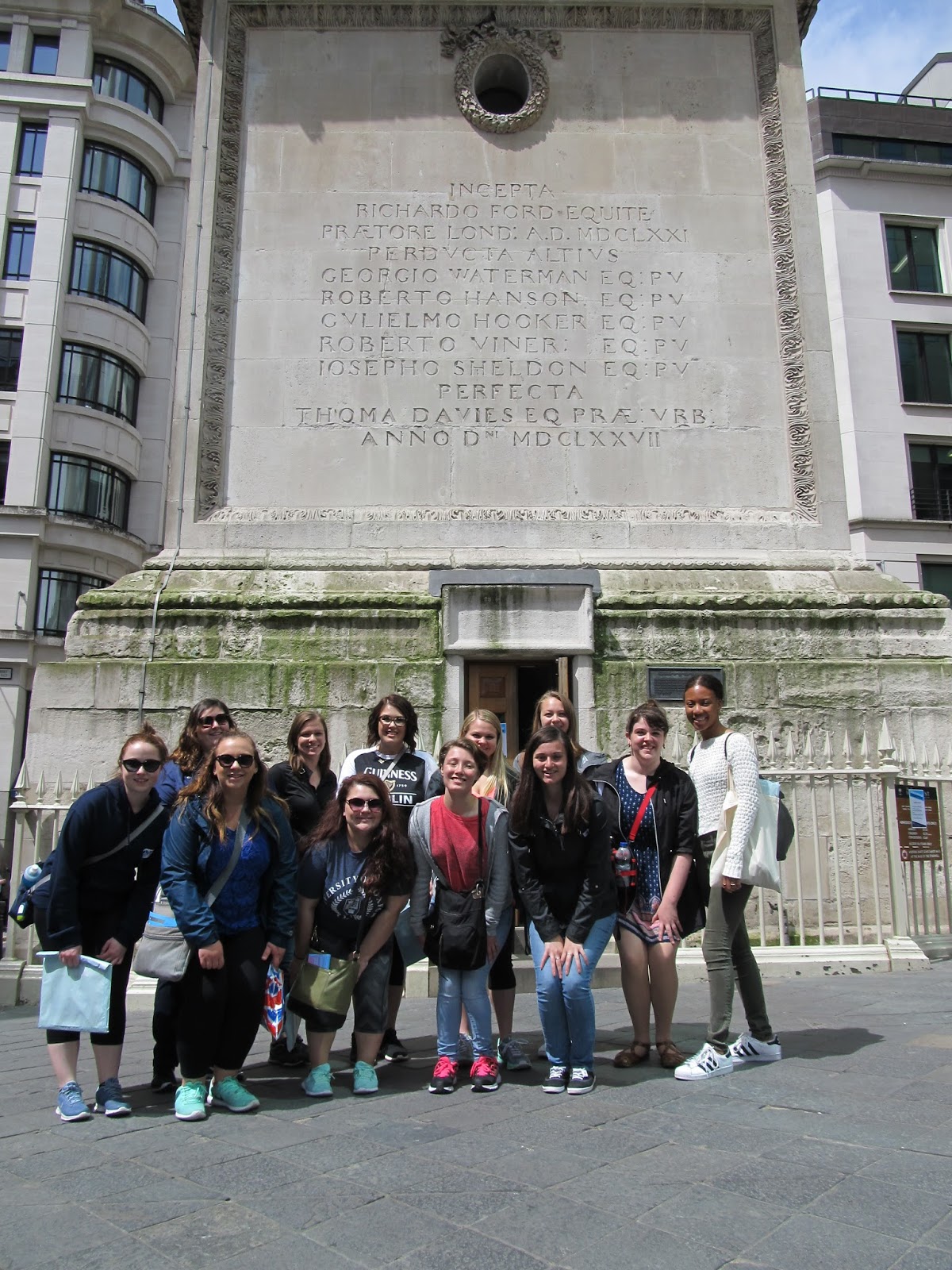
 The Monument to the Great Fire of London's name basically explains itself. At a glance the monument looks simply, but it is actually very intricate. On the north side are Latin words recording the city's destruction from the fire. On the south is a record of it's restoration. The east is home to the mayoralties during which the building of the monument took place, while the west contains a beautiful sculpture.

The Monument from a distance


The monument was also another great work of the famous Sir Christopher Wren who has built and influenced many others architectural designs in London.
   
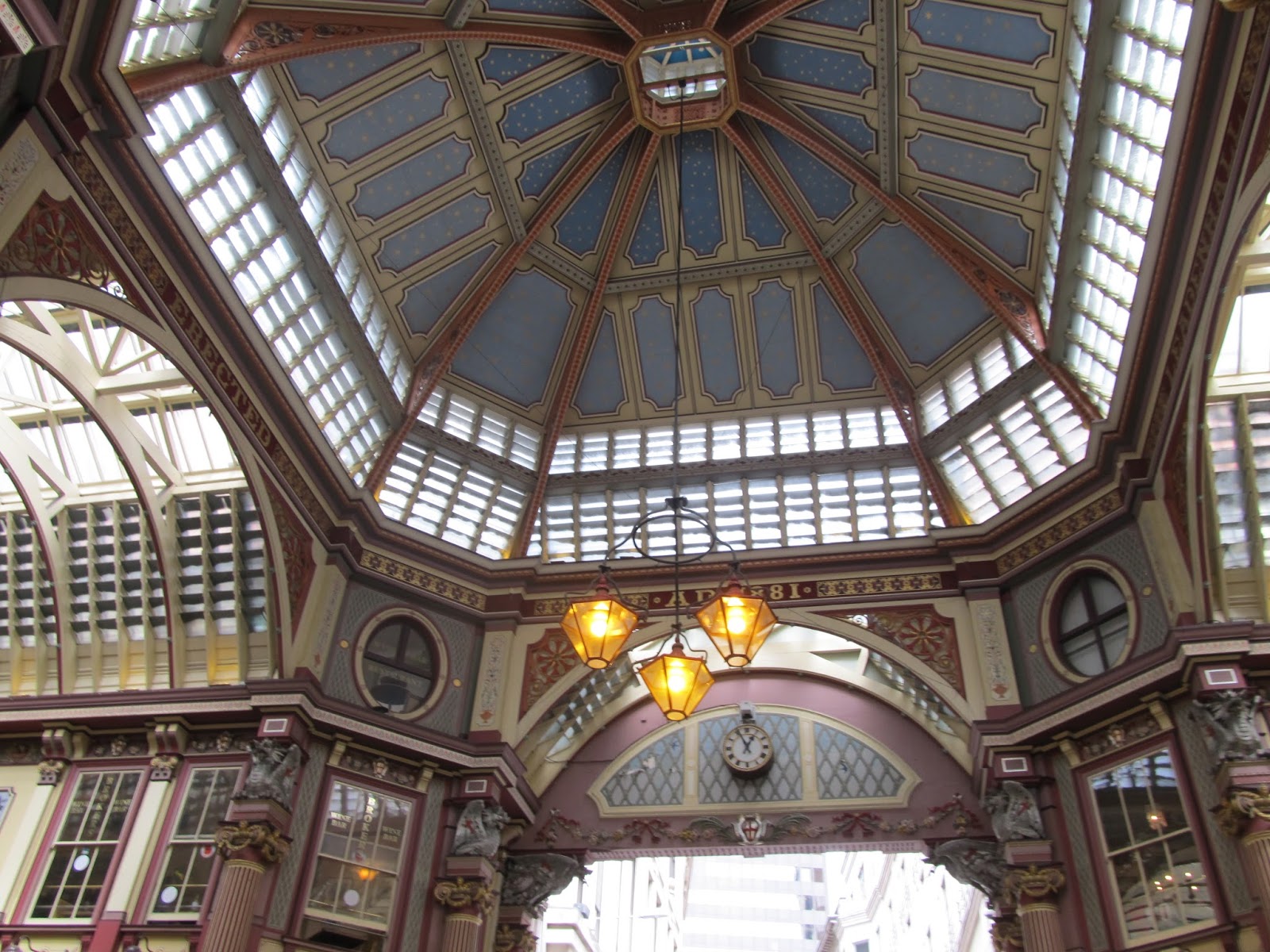
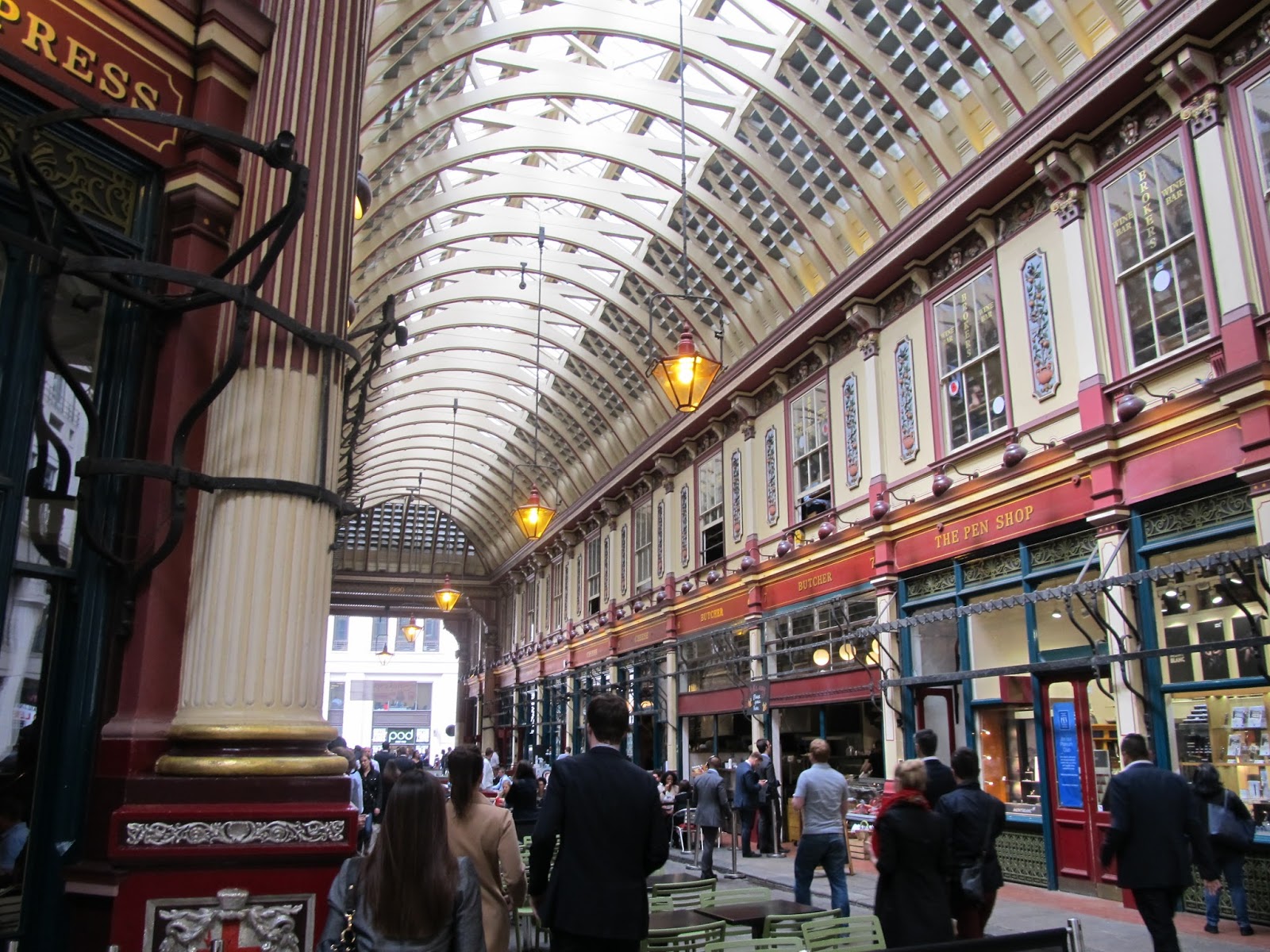
 The class stopped to observe the culture of the people of the UK by visiting their local shopping markets and local eateries. Leadenhall Market is a covered market containing some high end stores as well as restaurants, butcher shops, and convenience stores.


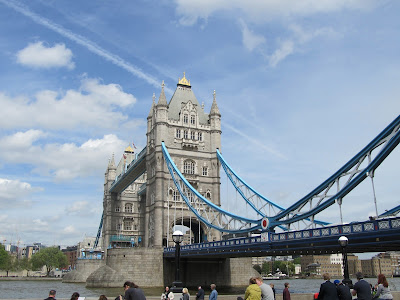
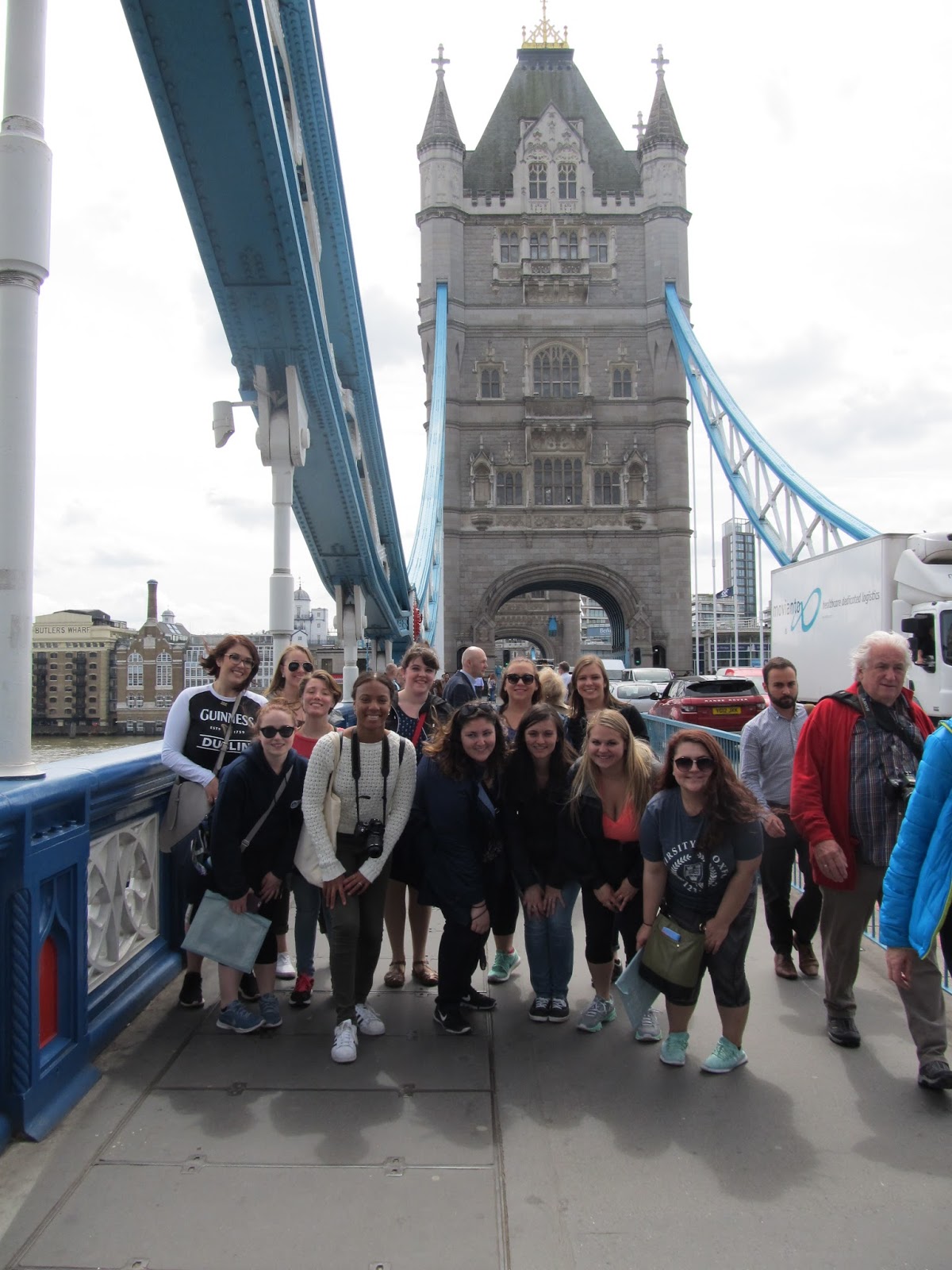
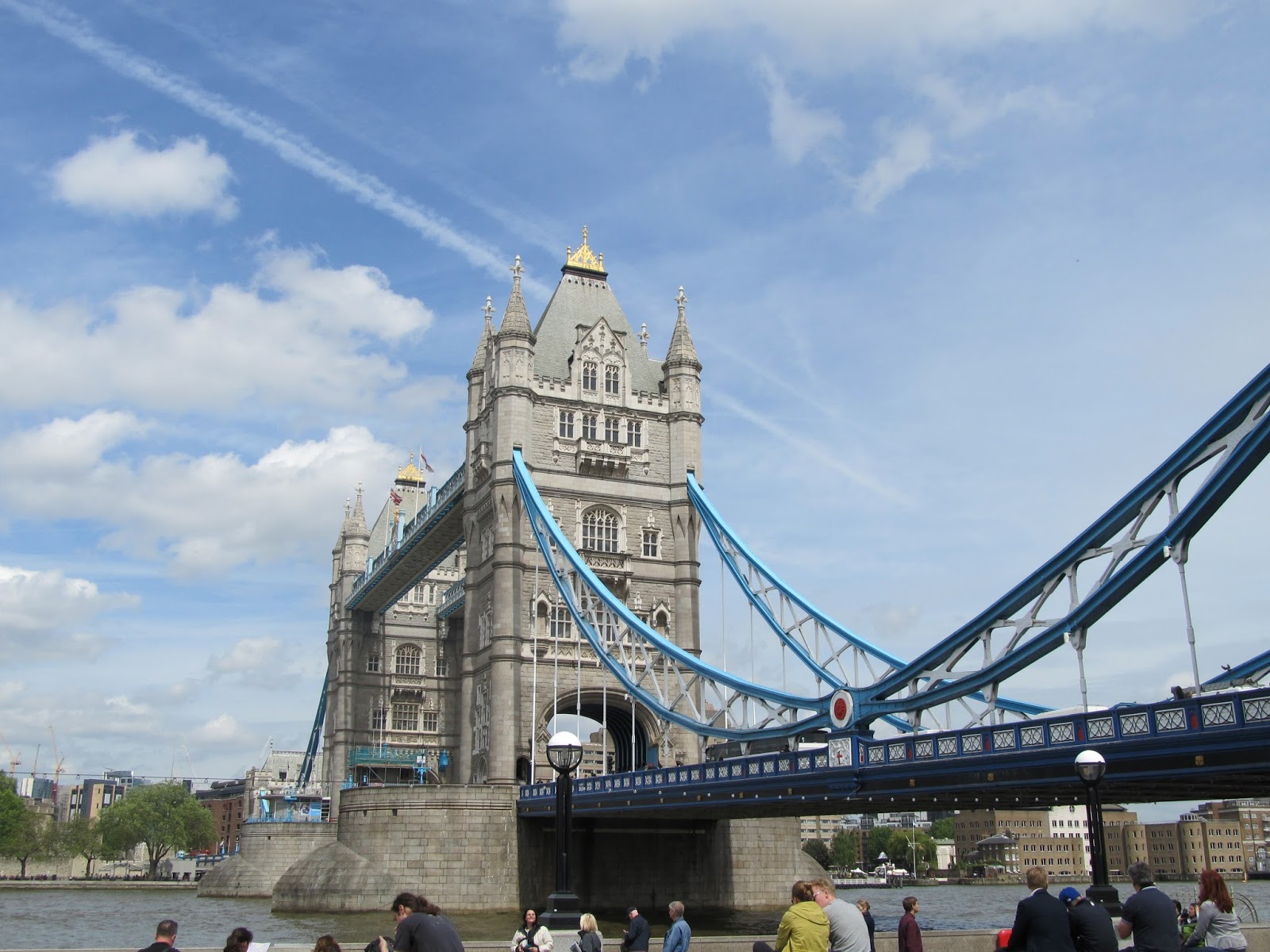
 On our way around the city the class walked across the Tower Bridge to get a better view of the city and enjoy the view of the Thames River.


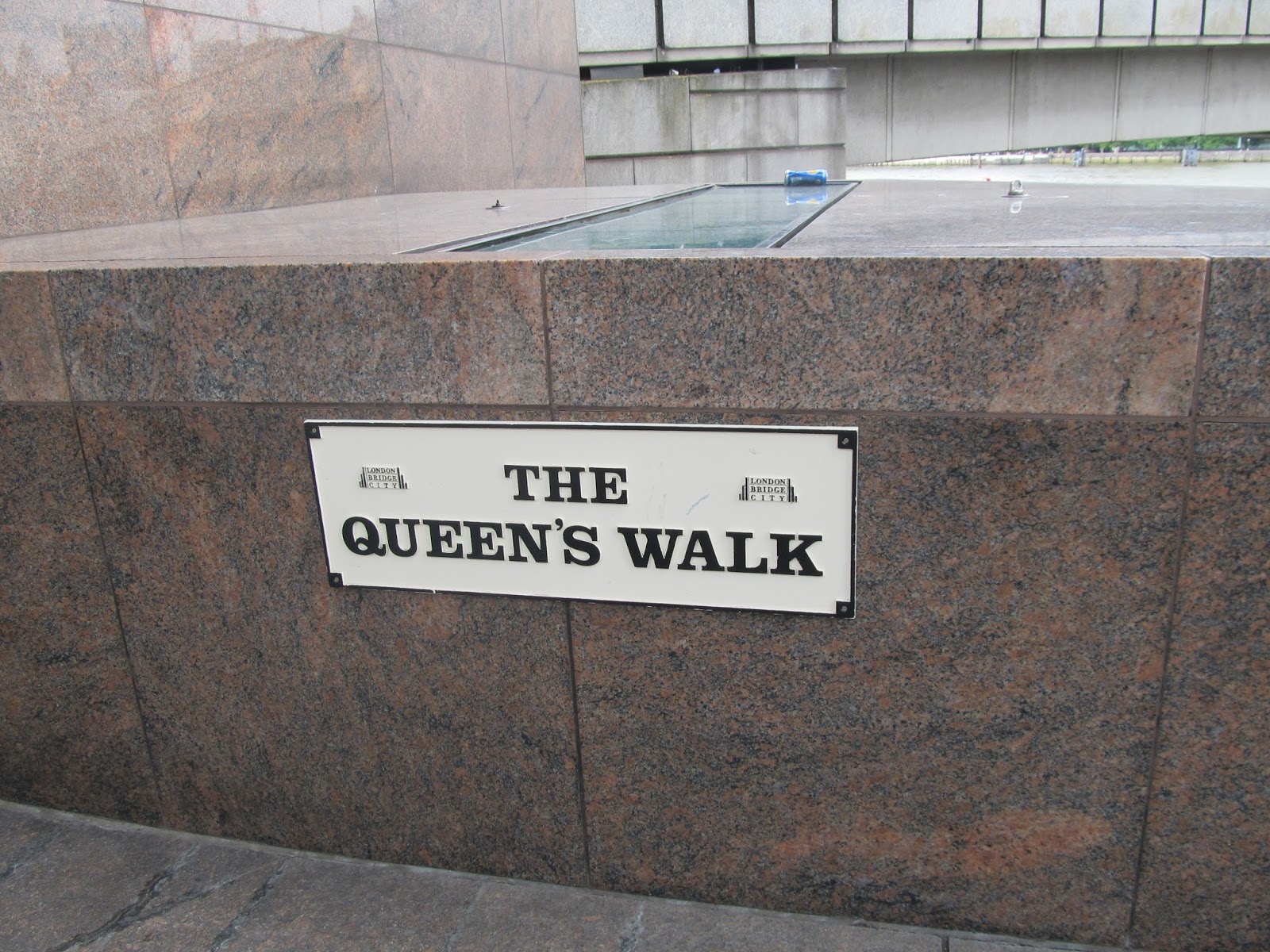
 The Queen's Walk is a pathway several miles long that guides people to see many of the main attractions in London. These attractions include, the London Eye, the Tower Bridge, St. Paul's Cathedral, Millennium Bridge, Shakespeare's Globe Theater, and Tate Museum. 


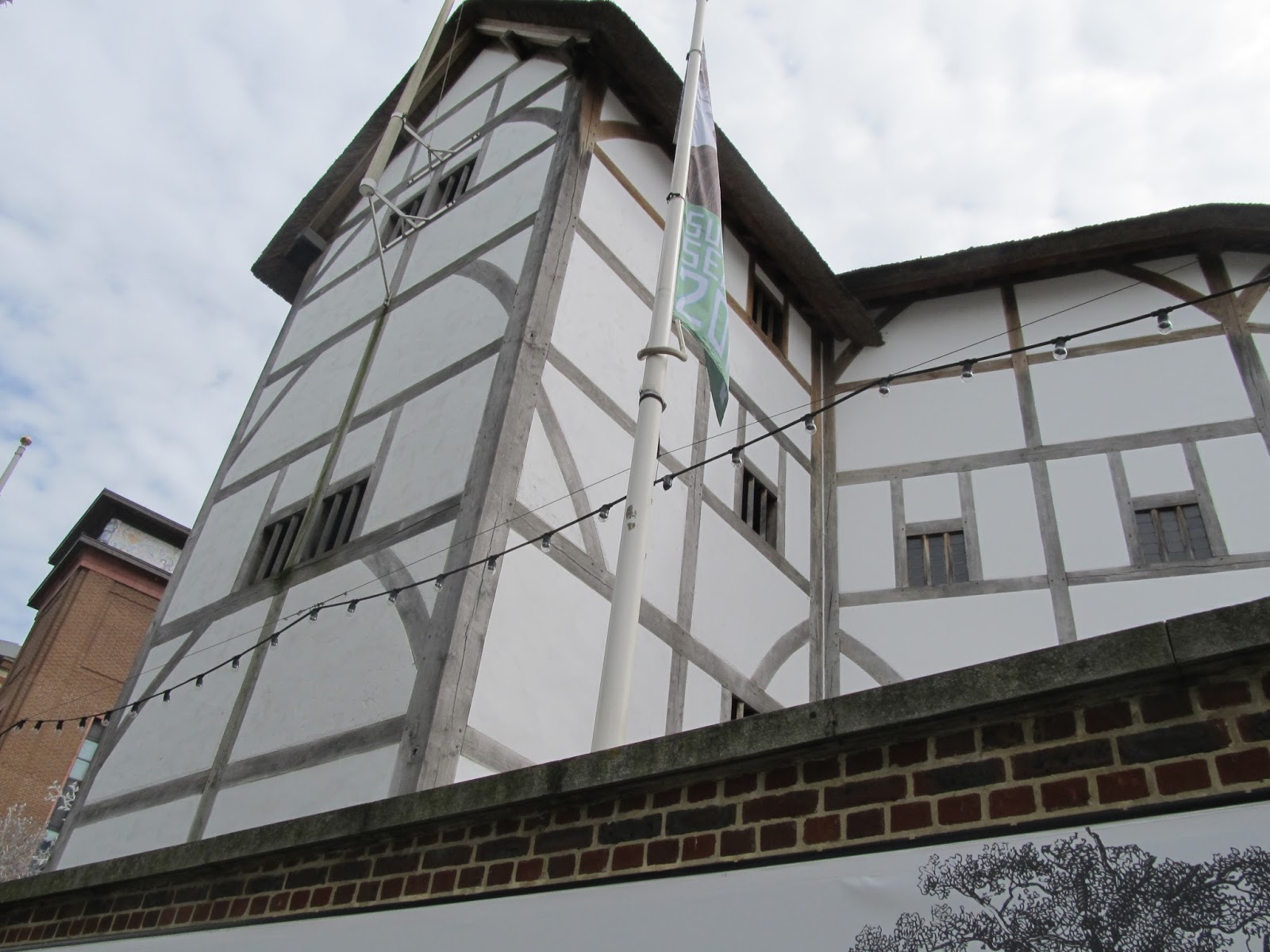
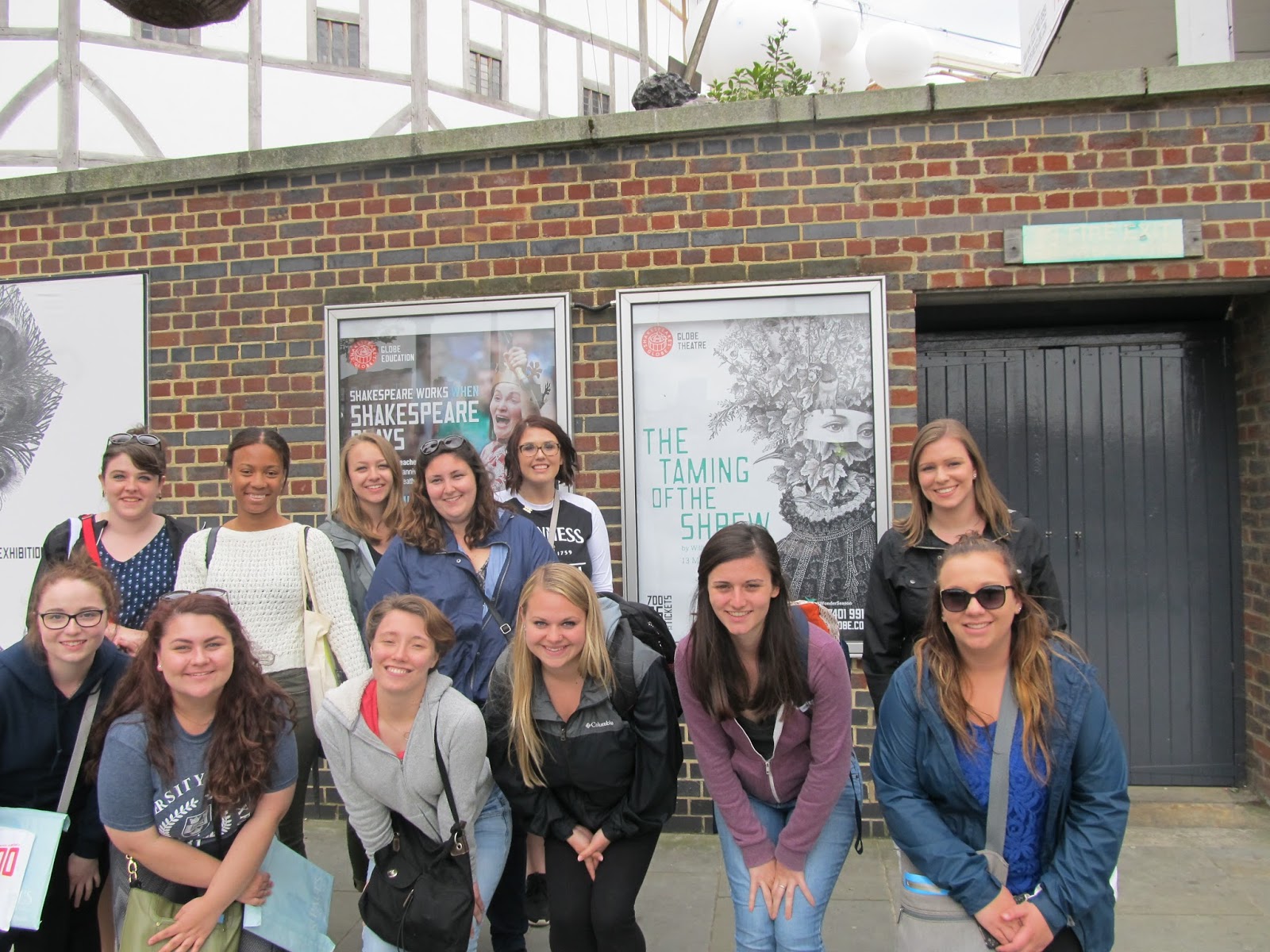
 Our next stop was the famous, Shakespeare's Globe Theater. Built in the 1590's the Globe Theater is located on the south bank of the river Thames in London. The architectural style of the theater is similar to the Colosseum in Rome, having a roof over the audience but open air over the stage. People used to pay a just a penny to stand in the pit to watch performances at the Globe Theater. In 1613 the theater caught fire after a special effects fiasco called the whole building to burn down completely, luckily it was rebuilt in the same spot in 1614. We stayed to watch most of the performance of Taming of the Shrew.


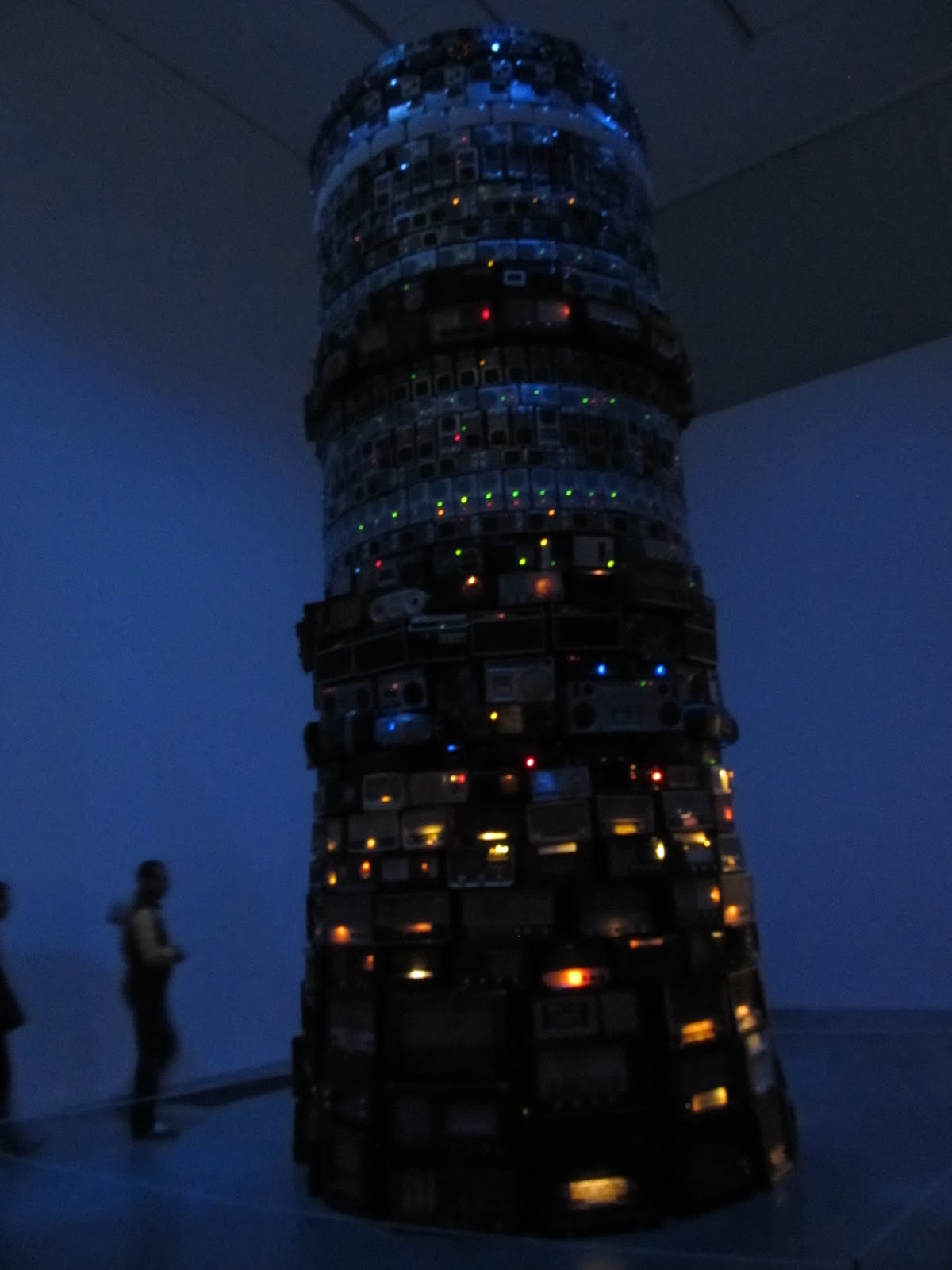
 We then continued our journey to Tate Modern Museum of Art where we saw an overwhelming amount of creativity through contemporary pieces.

Babel 2001 by Cildo Meireles

This piece was a favorite of the class. The sculpture consists of about 800 working radios, of different styles and ages, switched on to different stations with the audible volume, commenting on influx and failure of communication in our modern lives.

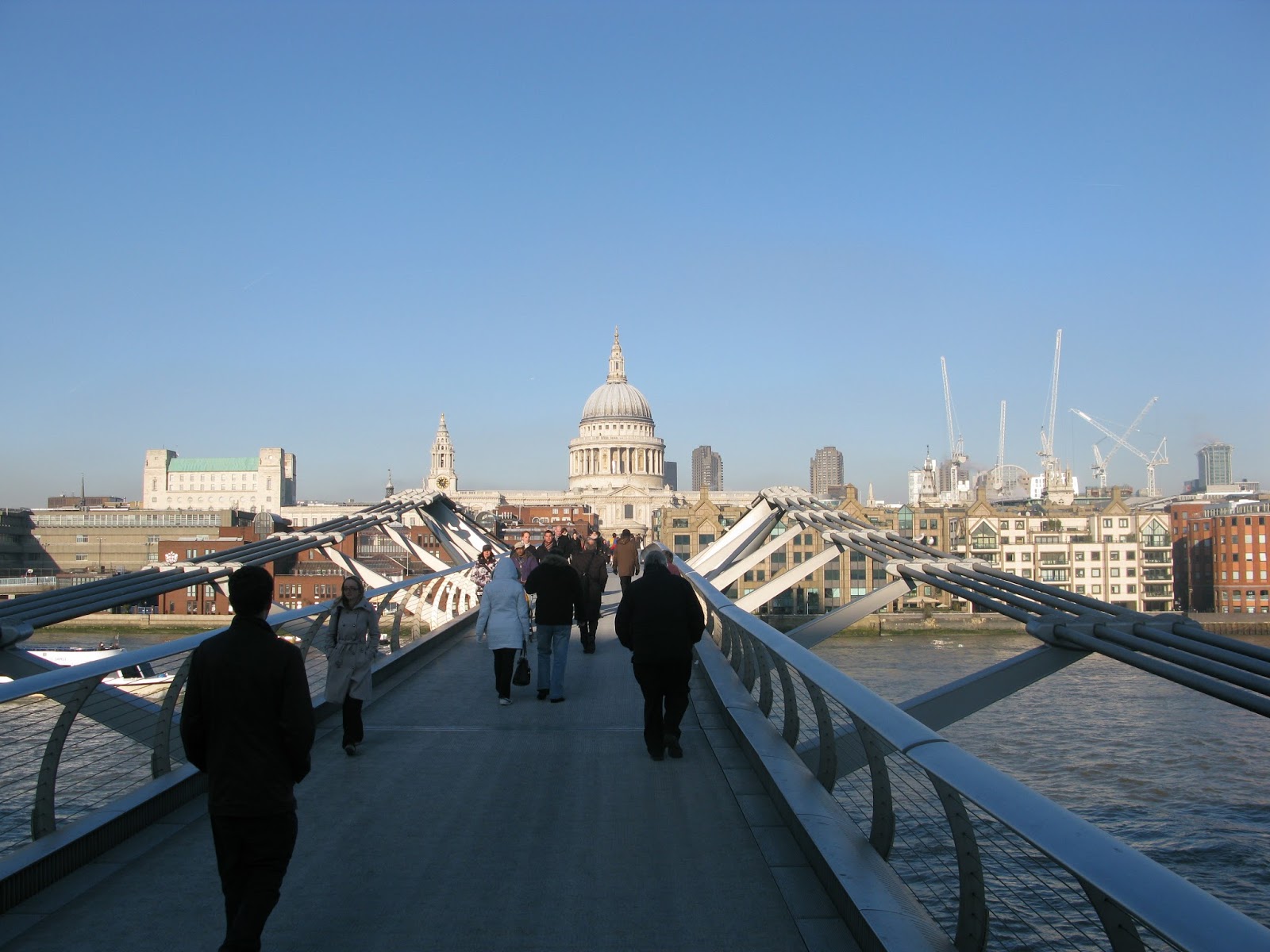
 Lastly, HUM 1915 took a stroll across the Millennium Bridge. Construction began in 1998 and finally opened in 2000. This is a steel suspension bridge for pedestrians. Formerly known as "the Wobbly Bridge" because the day it opened people began to feel an uneasy swaying movement. Therefore, the bridge was closed again and reopened in 2002.


~~~~~~~~~~~~~~~~~~~~~~~~~~~~~~~~~~~~~~~~~~~